
1. Introduction of Roses with Thorns
What is a Roses with Thorns?
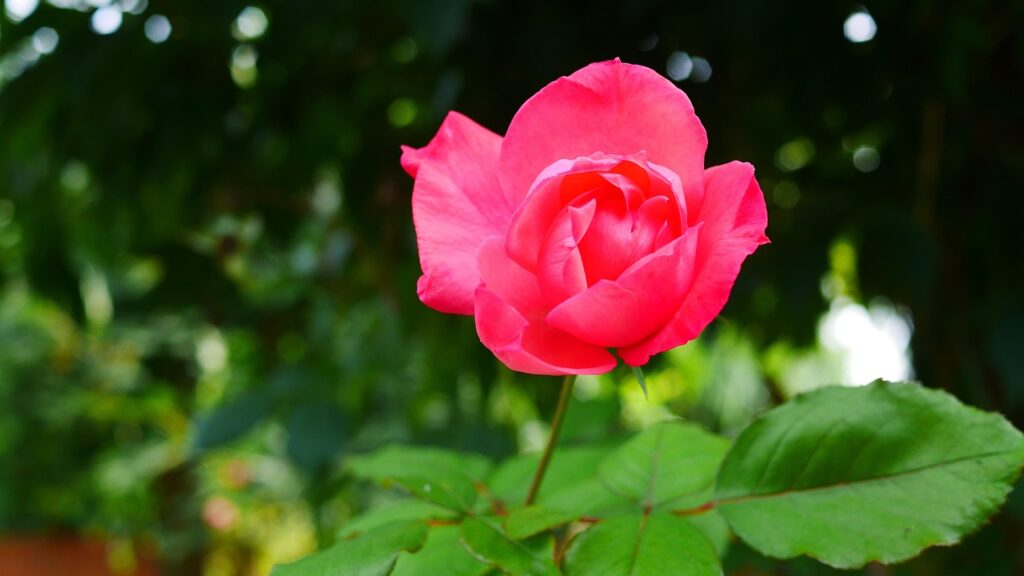
Roses with thorns is a natural flower that perfectly combines beauty and protection. While the rose is admired for its vibrant colors and delicate petals, its thorns—small, sharp projections along the stem—serve as a natural defense mechanism, protecting the plant from herbivores and other potential threats. Beyond its physical characteristics, the roses with thorns carries rich symbolism. The rose itself represents love, beauty, and passion, while the thorns signify challenges, protection, or hidden dangers. Together, they remind us that even the most beautiful things in life often come with obstacles or require care and respect.
2. Types of Roses with Thorns
Roses with thorns come in several varieties, each with its unique characteristics and uses:
- Garden Roses: These are the most commonly cultivated roses, grown for their beauty and fragrance. Their thorns can vary in size and density, offering protection while still being manageable for gardeners.
- Wild Roses: Naturally occurring in the wild, these roses have prominent thorns that serve as a strong defense against animals and pests. They are hardy and resilient, often requiring minimal care.
- Climbing Roses: These vine-like roses with thorns feature thorns along their long stems, which help them attach to trellises, fences, or walls. Their thorns not only protect the plant but also assist in climbing and spreading naturally.
Each type of roses with thorns combines aesthetics with practicality, highlighting how nature balances beauty and defense.
3. Importance of Thorns in Roses
Thorns are essential to the life and survival of roses because roses with thorns fulfill several vital roles:
Protection: Thorns act as a natural defense, deterring animals and insects from eating or damaging the plant. By doing this, the fragile leaves and blossoms are kept whole.
Support: In climbing roses, thorns help the plant anchor to structures such as trellises, fences, or walls. This support allows the rose to grow upward and spread more effectively. by Roses with Thorns
Survival: By protecting the plant from threats, thorns increase the rose’s chances of growing and reproducing safely in the wild. They help maintain the plant’s health and ensure its longevity.
Overall, thorns are not just sharp additions—they are essential for the rose’s defense, growth, and survival.
4. Symbolism of Roses with Thorns
Roses with thorns carry deep symbolic meaning that goes beyond their physical beauty. They represent the idea that beauty often comes with challenges, reminding us that even the most desirable things in life may require effort, care, or resilience. In literature and art, roses with thorns are frequently used to depict love intertwined with difficulties or risks. The delicate petals symbolize affection and passion, while the sharp thorns reflect obstacles or potential pain that may accompany deep emotions. More broadly, the roses with thorns serves as a metaphor for life itself, illustrating that joys and struggles coexist. It encourages appreciation of beauty while acknowledging that challenges are a natural part of growth and experience.

5. Care Tips for Roses with Thorns
Roses with thorns need to be cared for with both safety and attention. Here are some essential tips to keep your rose plants healthy and thriving:
- Wear gloves while handling: Thorns can easily scratch or injure your hands. Wearing gloves protects you while pruning or planting.
- Prune carefully: Regular pruning helps remove dead or damaged stems and encourages healthy growth. Always handle thorns carefully and with clean, sharp tools.
- Water and fertilize properly: Adequate watering and the right fertilizer ensure that both the flowers and thorns develop strongly, keeping the plant vibrant and resilient.
- Protect from pests: Insects and diseases can damage roses. To keep the plant healthy and long-lived, use safe pest control techniques.
By following these care tips, gardeners can enjoy the beauty of roses while keeping both themselves and their plants safe.
6. Common Mistakes to Avoid
When caring for roses with thorns, certain mistakes can harm both the gardener and the plant. Some common errors include:
- Touching thorns with bare hands: Handling roses without gloves can lead to scratches or infections, making protective gloves essential.
- Over-pruning: Removing too many stems or cutting healthy parts of the plant can stunt growth and reduce flowering. Careful, precise pruning is necessary.
- Ignoring thorn growth patterns: For climbing roses, neglecting the natural growth and placement of thorns can affect how well the plant attaches to trellises or fences, limiting its ability to climb effectively.
Avoiding these mistakes ensures that roses remain healthy, safe to handle, and visually appealing.
7. Conclusion
A roses with thorns is a striking example of nature’s balance between beauty and defense. Its delicate petals captivate with elegance, while its thorns serve as a reminder of protection and resilience. Beyond its physical characteristics, the roses with thorns teaches valuable life lessons: that challenges often accompany beauty, and that appreciating both obstacles and rewards is essential for growth. By understanding and respecting this balance, we can admire not only the rose itself but also the deeper lessons it symbolizes.
FAQs of Roses with Thorns
1. What does a roses with thorns symbolize?
A roses with thorns symbolizes the balance between beauty and pain, love and protection. It reminds us that even the most beautiful things in life often come with challenges, making it a powerful symbol of strength, resilience, and emotional depth.
2. Why do roses have thorns?
Roses have thorns as a natural defense mechanism to protect themselves from herbivores and pests. The thorns deter animals from eating the plant and help climbing roses latch onto structures like fences and trellises for support.
3. Are there any roses without thorns?
Yes, some rose varieties are nearly thornless, such as Zephirine Drouhin, Lady Banks, and Smooth Prince. However, most natural and wild roses have thorns to aid in their protection and growth.
4. How can I safely care for roses with thorns?
Always wear thick gloves when pruning or planting roses. Use sharp, clean tools to trim dead stems and ensure proper watering and fertilizing. Avoid over-pruning and be mindful of the thorns’ direction when training climbing roses.
5. What is the spiritual meaning of a roses with thorns?
Spiritually, a roses with thorns represents sacrifice, love, and divine protection. In many traditions, it’s seen as a symbol of enduring love that survives hardships, embodying both vulnerability and strength.


Leave a Reply